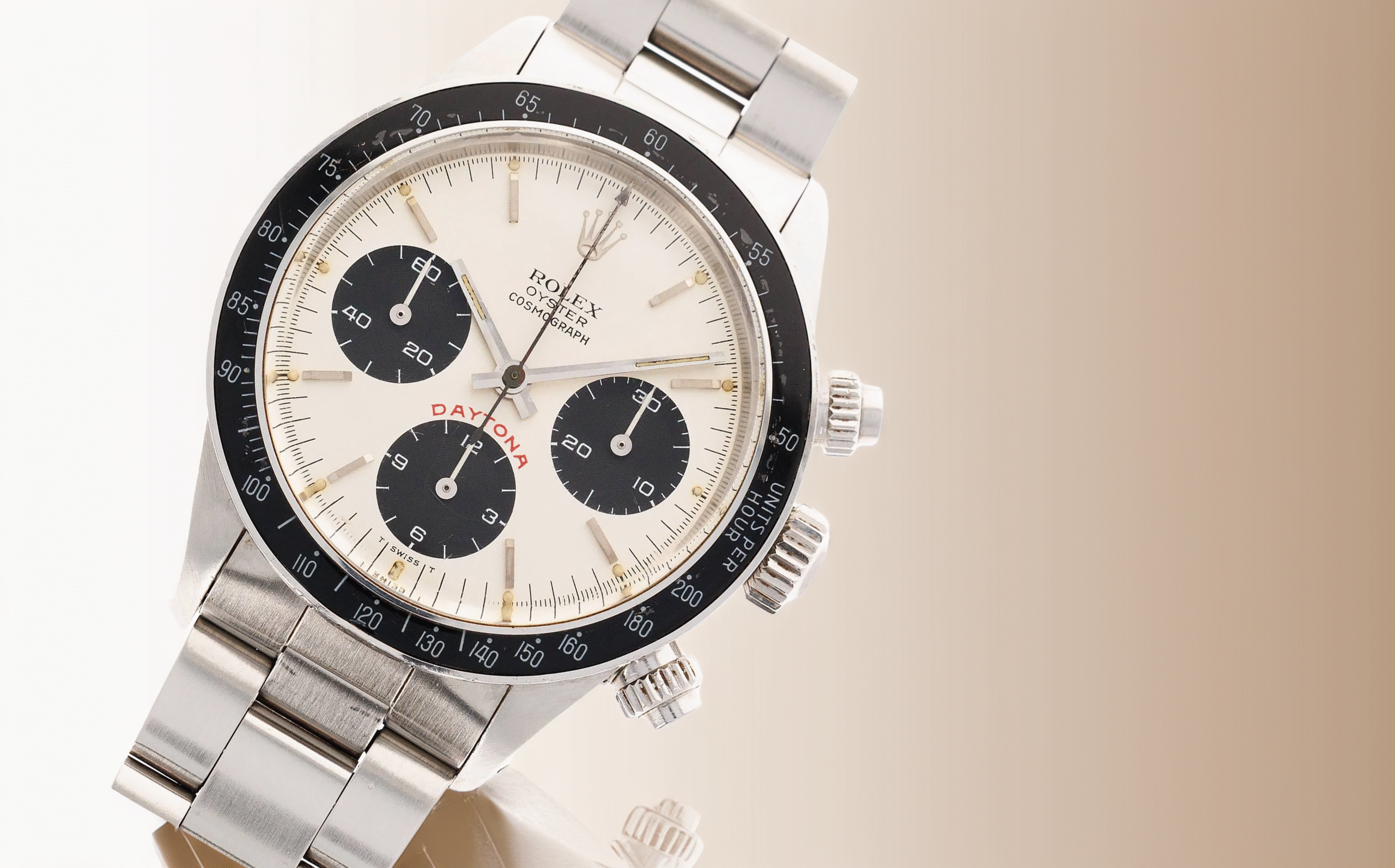
Modern watches have a problem. They are too big, too shiny, and too expensive.
Vintage watches have a problem. They are fragile, small, and expensive to repair.
Enter the “Neo-Vintage” era.
Roughly defined as watches made between 1990 and 2005, this category is currently the sweet spot of the collecting world. Prices for these models are climbing fast as collectors realize they offer the best of both worlds: vintage charm with modern reliability.
If you are looking for the next investment opportunity before it becomes unaffordable, this is it.
What Makes a Watch “Neo-Vintage”?
It’s not just about the date of manufacture. It’s about a specific set of features that disappeared around 2005.
1. The Tritium Dial (The “Creamy” Patina)
Until roughly 1998, brands like Rolex and Omega used Tritium paint for the glow-in-the-dark markers (marked “T<25” or “T Swiss T” on the dial).
- The Magic: Unlike modern Super-LumiNova (which stays stark white forever), Tritium ages. Over 20 years, it turns a beautiful creamy yellow or “pumpkin” orange.
- Why it matters: It gives the watch a unique, vintage character that modern watches can never replicate.
2. Perfect Proportions
In 2010, the “Big Watch Trend” took over. Suddenly, every watch was 44mm and thick as a brick.
- The 90s Standard: Neo-vintage watches usually sit in the 39mm – 40mm range. They are slimmer, more elegant, and fit the average wrist perfectly.
3. Modern Movements (Aluminum Bezels)
These watches look vintage, but inside, they use modern movements (like the Rolex 3185 or ETA 7750). They are robust, easy to service, and waterproof. You get the vintage look without the vintage headache.
3 Neo-Vintage Icons to Buy Now
If you have ₹2 Lakhs to ₹7 Lakhs to invest, these are the models to hunt for.
1. The “GoldenEye” Bond: Omega Seamaster 300M (Ref. 2541.80 / 2531.80)
Price: Approx. ₹2.5 – ₹3.5 Lakhs
This is the watch Pierce Brosnan wore in GoldenEye. It defined a generation.
- Why buy: The aluminum bezel fades to a ghostly blue-grey “ghost bezel” over time. The wave dial is iconic. It is currently undervalued compared to the Submariner.
2. The Last “Tool” Rolex: Explorer II (Ref. 16570)
Price: Approx. ₹6.5 – ₹8 Lakhs
Before Rolex switched to shiny ceramic bezels and “Maxi” dials, they made the 16570.
- Why buy: It has a brushed steel bezel that takes a beating. The “Polar” (white dial) version creates a stunning contrast with yellowing tritium markers. It is the last rugged, under-the-radar Rolex.
3. The Pilot: IWC Fliegerchronograph (Ref. 3706)
Price: Approx. ₹3 – ₹4 Lakhs
IWC is famous for Pilot watches, and the 3706 is arguably their best design ever.
- Why buy: At 39mm, it fits better than the massive modern Big Pilots. The squared-off hands and day-date display are pure utilitarian perfection.
The Investment Thesis
Why are these exploding in value right now?
- Nostalgia: The people who grew up in the 90s now have money. They want the watches they saw in magazines as kids.
- Scarcity: Good examples with unpolished cases and original tritium dials are getting harder to find.
- Value: A modern Rolex Submariner is ₹11 Lakhs. A Neo-Vintage Rolex Explorer II is ₹7 Lakhs. The value proposition is undeniable.
Our Advice: Look for “Tritium” dials (pre-1998). Check the dial code at the very bottom (6 o’clock). If it says “T Swiss T,” buy it.
More Market Analysis:
- Modern vs. Vintage: Omega Speedmaster vs. Rolex Submariner
- Future Outlook: Rolex Market Predictions 2025