There is a sinking feeling every watch collector knows.
You look down at your vintage Omega, your Swatch, or your HMT Pilot, and you see it. A jagged, ugly scratch right across the crystal. It catches the light. It ruins the dial. It makes your beautiful timepiece look cheap.
If you have a sapphire crystal, you’re out of luck (you have to replace it). But if you have an acrylic (plastic) crystal—common on vintage watches and budget models—you have a superpower.
You can fix it yourself in 5 minutes for less than ₹700.
Here is the step-by-step guide to using Polywatch to make your watch look brand new.
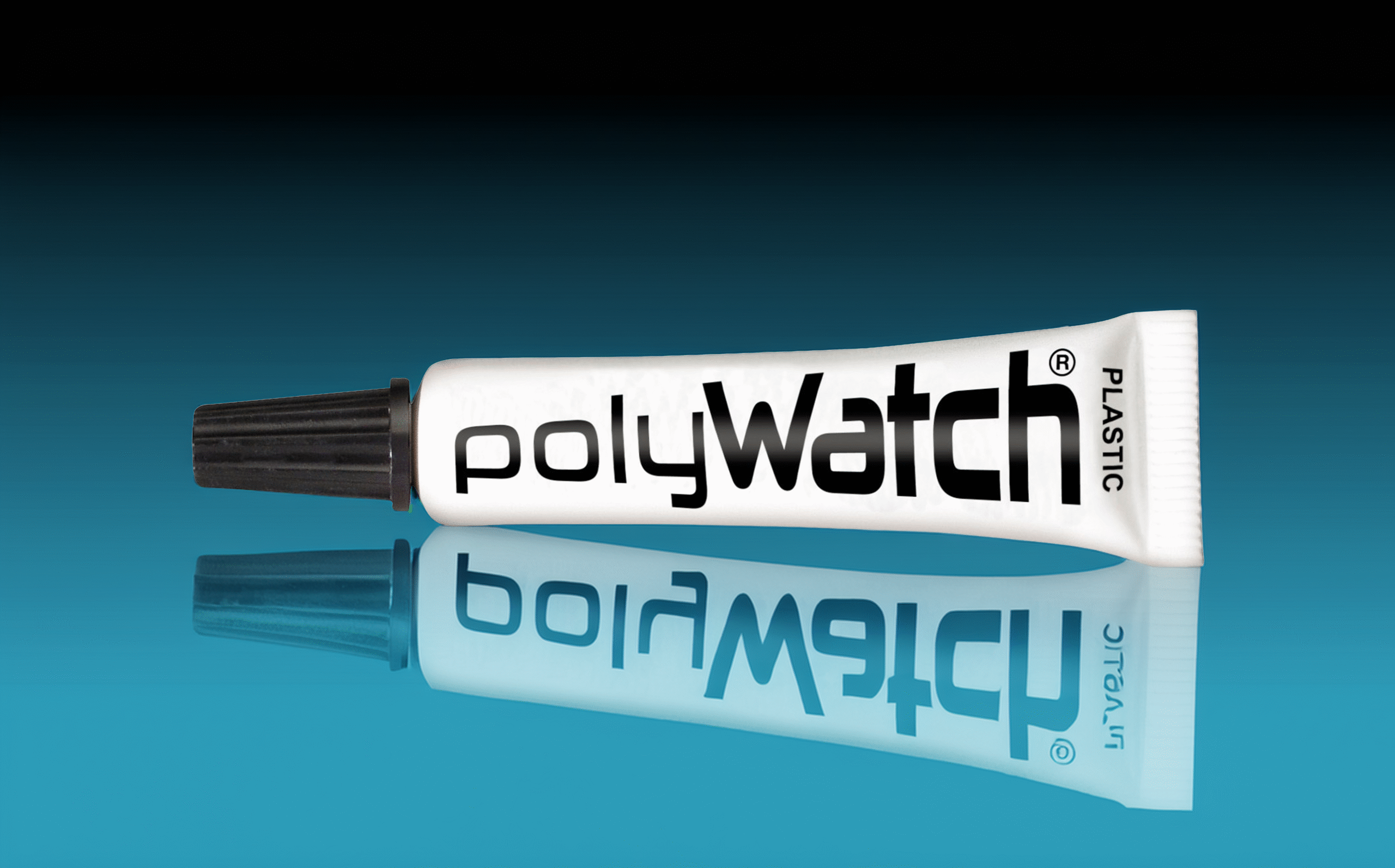
What is Polywatch?
Polywatch isn’t just a polish; it’s a slight abrasive that chemically dissolves a microscopic layer of the plastic surface.
By rubbing it in, you are essentially “melting” the plastic surrounding the scratch and moving it into the groove, smoothing everything out. It sounds scary, but it’s standard practice for watchmakers.
Note: This ONLY works on Acrylic/Plexiglass/Hesalite.
- Do NOT use on Mineral Glass (It won’t work).
- Do NOT use on Sapphire (It won’t work).
- Do NOT use on Glass coatings (It will strip the anti-reflective coating).
What You Need
- Polywatch Polish: A small tube costs about ₹600 – ₹800 on Amazon India. One tube lasts for years.
- Soft Cotton Cloth: An old t-shirt, a microfiber cloth, or standard cotton makeup remover pads work perfectly.
- Masking Tape (Painter’s Tape): To protect the bezel.
The 5-Minute Fix: Step-by-Step
Step 1: Prep the Watch
Clean the crystal with a damp cloth to remove any dust or grit. If you rub grit into the plastic, you’ll just add more scratches.
- Pro Tip: If your watch has a rotating bezel or a gold-plated case, tape it off with masking tape. You don’t want the abrasive polish rubbing the gold plating off your bezel.
Step 2: Apply the Magic
Squeeze a tiny drop of Polywatch directly onto the center of the scratch.
- Amount: About the size of a grain of rice or a small peppercorn. Do not overdo it.
Step 3: The “Elbow Grease” Phase
This is where the magic happens. Take your cotton cloth/pad and start rubbing the scratch in a circular motion.
- Pressure: You need to apply firm pressure. Don’t be gentle. The friction creates the heat necessary for the chemical reaction to work.
- Duration: Rub vigorously for 2 to 3 minutes. Your thumb should feel tired.
Step 4: Wipe and Inspect
Wipe away the remaining white paste with a clean part of the cloth. Hold the watch up to the light.
- Small Scratches: Should be completely gone.
- Deep Gouges: If you can still feel the scratch with your fingernail, it’s a deep one. Repeat steps 2 and 3. You might need 2-3 rounds for deep damage.
Step 5: The Final Polish
Once the scratch is gone, give the entire crystal a quick, light polish with a tiny bit of residue to ensure an even shine across the whole face.
What if the Scratch is TOO Deep?
If you caught your watch on a brick wall and have a deep gouge, Polywatch alone might take forever.
The Advanced Method (Use Caution):
- Use extremely fine sandpaper (1500 grit, then 2000 grit, then 3000 grit).
- Wet sand the crystal gently until the deep scratch is leveled out (the crystal will look cloudy and ruined—don’t panic).
- Then use Polywatch to polish out the cloudiness and restore the shine.
Verdict: Is it Worth It?
Absolutely. A tube of Polywatch is essential for any collector. It turns the “fragility” of acrylic crystals into a benefit. With sapphire, a scratch is permanent. With acrylic, a scratch is just a temporary inconvenience that you can wipe away on a Sunday afternoon.
Need more maintenance tips?
- Watch Running Fast? Check if it’s magnetized
- Back to Basics: Watch Care 101: How to Keep Your Collection Running Forever